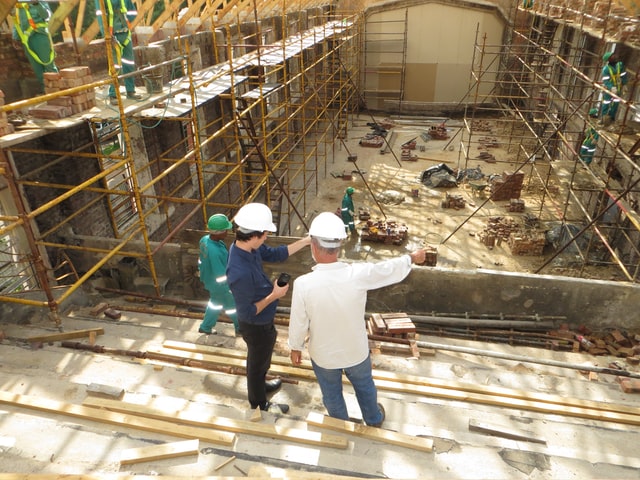
Discoveries That Revolutionized Construction

Discoveries are always a wonder to behold. For generations, humanity strived to excel in this field to bring about significant changes to the world. Through countless experimentations, failures, and successes, the fruits of hard labor manifested themselves in the forms of technologies that revolutionized all sectors of human living.

These are the revolutions shaping the construction industry today:

#1. Computer-Aided Design (CAD)

Architects, drafters, skilled stonemasons, and builders produced some of the world’s most stunning buildings during the Middle Ages, employing groundbreaking design and construction technologies. Due to the slow changes in the construction industry, these approaches remained essentially unaltered for millennia.  

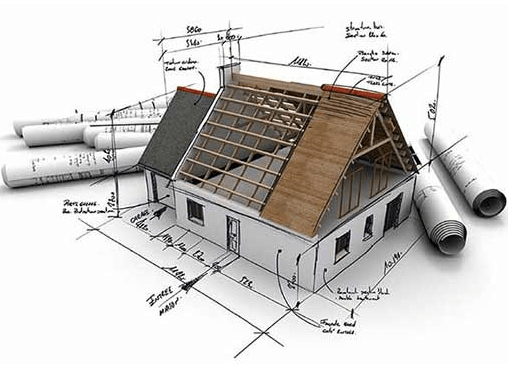
However, during the middle of the twentieth century, computer-aided design (CAD) appeared, permanently altering construction for the first time in many years. Disagreements during the design process were made evident. Separate systems, electrical conduits, and high-voltage alternating current ducting, for example, were once a source of consternation for architects and builders working with two-dimensional plans and section drawings. 

It works side by side with other technologies to improve efficiency and provide more creative means for visualization. One of the best examples of such a union is 3D printing. Now, the future of 3D printing in construction is exciting and genuinely revolutionary for many who do many model buildings.

#2. Prefabrication

It can be challenging to piece together massive, sophisticated components on-site when exposed to the weather. The growth of off-site fabrication is significantly improving this process’ efficiency. For example, a large heat exchanger manufactured in a vendor’s shop will reach the site ready to use. Prefabrication results in better inventory management of parts and materials and increases efficiency and productivity. 

While waste and inefficiency decrease, return on investment rises. When components like pump units, heat exchangers, compressors, and instrument panels are fabricated in-shop rather than on-site, they save a significant amount of time on the schedule.

#3. Building Information Management (BIM)

Building Information Management (BIM) has proven incredibly versatile, allowing architects, engineers, contractors, and subcontractors to collaborate on the minute aspects of design and construction using the same computer model and database. 

As mechanical, electrical, and plumbing (MEP) professionals are aware, BIM entails all project stakeholders working together on a complete 3D model that includes all of a building’s functional systems, such as HVAC and electrical installations, and walls’ aesthetics, windows, and roofs. You can also incorporate some aesthetic access doors into the plan for added safety and convenience features.

Since BIM is a collaborative process from start to finish, it enables all project stakeholders to analyze and interpret design decisions and identify interferences and other problems before construction begins on site. Working as a unit saves MEP contractors a lot of time and money because construction doesn’t start until all parties have submitted their ideas, ensuring that the identification and resolution of disputes are quick, easy, and happen before the groundbreaking on-site.

#4. Modular Construction

Thanks to the growth of modular construction, not only components like those stated above can now have their manufacturing process off-site, but entire buildings as well. The manufacturing of these modules uses the same materials and specifications as on-site buildings, yet they cause significantly less environmental impact.

Components are delivered to the job site as needed. Today, because you can do roughly 70% of construction in the form of parts, it has entered the ‘just-in-time’ manufacture and delivery domain, which decreases on-site scheduling and waste.

#5. Self-Healing Concrete

Concrete’s utilization is far-reaching in buildings, yet it comes with many issues. It is prone to cracking, which is mainly because of exposure to chemicals and water. It is terrible news because cracks expand, and as they grow, they enable more water to enter the concrete, corroding the reinforced steel within. However, there is a solution on the way.

Self-healing concrete with bacteria and microcapsules in the mix – it’s a potential revolution at this point, but it’s coming. When water infiltrates, these clever supplementary elements germinate and generate limestone, filling the gap and preventing corrosion in steel reinforcements.

#6. Personal Protective Equipment (PPE)

Although personal protection equipment (PPE) is not as technically sophisticated as the other technologies out there, there is no doubt that it is helping to revolutionize the construction industry in terms of health and safety throughout the years. According to a 2008 performance evaluation of the last act. The number of fatal injuries to employees in the UK declined by 73% between 1974 and 2007, while recorded nonfatal injuries fell by 70%. The figure of fatalities in the construction industry fell to a record low in 2005-2006.

Final Thoughts

There is so much more that is going in the construction industry as we speak. It will be exciting to see what else is there for the next generation of developers as technology continues to drive things further into new heights. Consult a licensed professional for more information and other options that you need for your next project.
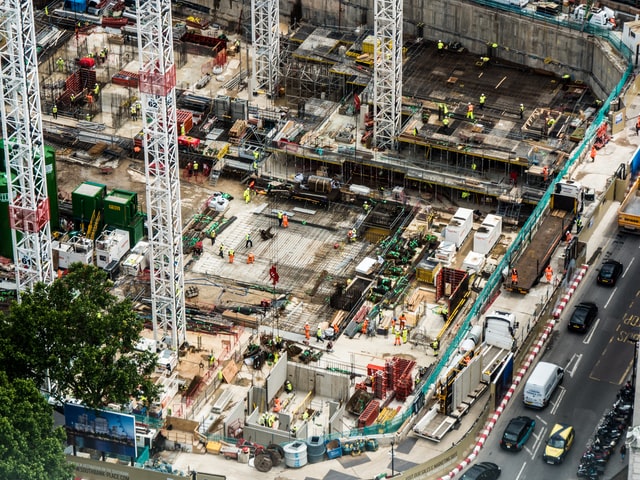

The Popular Trends in the Construction Industry

Trends such as the increase of teleworking, the need for social distancing, resource transfers, disruptions in supply chains, and cash flow disruption mean change at every level for the construction sector. 

In this article, we chose the most popular trends in the construction industry today.

Technological Progress and Integration

Technology is continually growing, and it is unquestionably a trend that will not go away. While the construction industry has a reputation for being hesitant to adopt new technology, many project management systems are beginning to include technology to reach a more intelligent and innovative way of planning.

The future of 3d printing in construction is promising. 3D printing is a technical innovation that makes building work more accessible and safer. This ingenious mechanism provides for greater design flexibility without jeopardizing structural integrity, and testing or altering designs facilitate the creation of prototypes, molds, and a wide range of materials.

Prefabrication and Modular Construction

Modular construction businesses are gaining prominence due to the speed with which they can develop residential and commercial structures. Modular construction is the technique of creating a building off-site utilizing the same materials and standards as traditional-built homes.

The use of prefabrication – the assembly of structural components in a factory – is both energy and cost-efficient, and it is likely to gain popularity as a result. Expect to see more modular and pop-up buildings, as well as prefabricated residences, in 2019.

Safety Equipment and Methods

There is a greater need for improved safety measures in an industry with more worker accidents and fatalities than any other. As a result of this knowledge, a new wave of technology has evolved that allows building and construction sites to become safer. Drones connected to Wi-Fi and provide GPS coordinates if the wearer falls or gets into difficulty are on the way. Work vest and gear technology also increase worker comfort and safety by including moisture-wicking and cooling fabric to keep them comfortable when exposed to the outdoors.

Structures That Are Resistant to Natural Disasters

Due to an increase in natural disasters globally and an increasing emphasis on making buildings structural resilient. Rather than focusing solely on energy-efficient housing, builders will consider developing homes and buildings resilient to extreme weather and natural calamities while incorporating low-carbon input materials and systems.

Virtual Reality

One of the biggest industry trends in 2019 will be using virtual reality headsets to improve communication among project stakeholders before the start of actual construction. Teams using virtual reality may immediately spot faults during the design phase and avoid costly mistakes. Virtual reality can also be used in safety demonstrations and training, making it an essential tool for communicating critical safety information. 

Software for Project Management

Construction project management software is a hot trend that will explode in 2019. Companies can now create their modules for their project management systems, allowing them to navigate equipment rentals, change orders, better time management, and other critical aspects of standard project management alternatives more quickly.

The construction industry will never stop innovating and coming up with new ideas to make work safer and more efficient. With the industry continually gearing its way to a futuristic approach, companies like Best Access Doors have created innovative construction materials that provide safety and efficiency to the contractors. Be sure to follow our blog for fresh ideas and industry news!

How to Design Earthquake-Proof Buildings

Nature is a terrifying force. She brings with her the full power of her elements, and sometimes, her wrath creates catastrophic events. The most noteworthy example of such destructive force known and felt by many worldwide is earthquakes. To build around it, engineers develop a design that can mitigate the damage of such a force, proving that innovation and construction must go hand in hand.

Earthquake Proofing Your Building

Earthquake proofing your building could come in many different designs and features, but here are some of the most notable ones you’ll find, especially in newly built, modern structures. Just a note, though, that as of now, there’s no such thing as a fully earthquake-proof building, YET, but there are earthquake-resistant ones:

#1. Damping

These are like shock-absorbers that reduce the shockwaves’ intensity as it hits the building and gradually stabilizes the structure. Damping is the gradual transition of energy within a vibrating system. It’s an action comparable to a moving vehicle’s slow use of brakes. The result is that it ceases the motion of a vibrating structure.

Vibrational control devices and pendulum dampers are two methods for accomplishing the effects of this feature. The first approach includes installing dampers between a column and a beam at each level of a building. Each damper uses piston heads housed in a silicone oil-filled cylinder. 

When an earthquake strikes, it transfers the building’s seismic energy to the pistons, which push against the oil. The vibrations’ force dissipates as the energy converts to heat. 

If you are considering designing a building with a damper, ensure that you have a good entry point for repair, maintenance, and installation, especially if you are in a coastal area where the materials need some unique components. Consider installing coastal zone exterior access panels for convenience and safety.

#2. Building a Flexible Foundation

The foundation plays a critical role in managing the impact of vibration on the entire structure. One method of withstanding ground stresses is to “raise” the foundation of the building above the ground. Building a design on top of flexible steel, rubber, and lead pads are known as base isolation. 

The isolators vibrate as the base moves during an earthquake, but the structure itself stays stable. It effectively absorbs seismic vibrations and prevents them from passing through a system.

Pendulum power, which one can’t usually see but are mostly inside skyscrapers, is another dampening method. Engineers use steel cables and a hydraulic system to suspend a big ball at the top of the tower. The ball serves as a pendulum, moves in the opposite direction when the building begins to sway, and stabilizes the building’s orientation. 

These elements have calibrations that, like damping, complement, and counterbalance the frequency of the building when an earthquake occurs.

#3. Constructing a Building With Reinforced Structure

The structure of the building itself needs to have a form of reinforcement that will enable it to withstand the vibrations affecting it during an earthquake. Without enhancements to the structure, the building will be weak and prone to collapse, which may lead to other horrible things.

Buildings must disperse the forces that pass through them during a seismic event to avoid collapsing. Reinforcing a structure needs the use of shear walls, cross braces, diaphragms, and moment-resisting frames. Your plans should revolve around these designs.

The Main Materials for Earthquake Proofing 

Wood and steel are the most typical materials used in earthquake-proof buildings, just as they are in non-earthquake-proof structures. Towers can bend without breaking, thanks to structural steel, which comes in a variety of shapes. It is an example of high flexibility, which refers to a material’s capacity to withstand massive deformations and tension (i.e., bend without breaking). Because of its strength-to-weight ratio, wood is also quite malleable.

Conclusion

Ensuring the safety of your building by taking the necessary steps to strengthen it against earthquakes should be a critical part of any design. For this reason, ensure that you consult a licensed professional who can offer a piece of solid advice as to how you can make your building earthquake-proof.

Different Construction Equipment You Have to Learn About

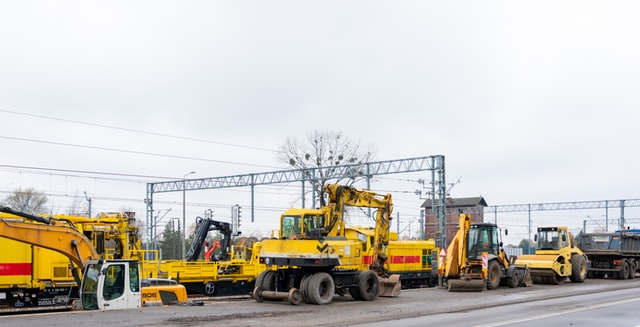
Before a construction project, you have to prepare everything down from the number of workers you need to the construction project’s deadline. Keep in mind that the bigger the project, the more things you have to prepare to ensure the project’s success. One of those things is looking for the necessary construction equipment

If you’re fresh out of school and want to get involved in the construction industry, it starts with learning the different types of construction equipment. Contractors can use them for both minor and major construction projects, depending on the situation. Let Best Access Doors provide you with the necessary details to help you widen your knowledge about construction equipment. 

1. Excavators

The first construction equipment you will find in any construction project is an excavator. It’s a piece of essential construction equipment because it digs dirt faster than using shovels that take longer. Besides digging dirt, contractors can also use it to lift heavy materials, do demolition work, cut trees, etc.

An excavator has a long arm and a digging bucket to dig through the dirt and collect tons of them in a single scoop. The operator can also rotate the cabin so that the excavator doesn’t have to move its entire body. It’s helpful in cramped spaces, and the operator needs to lift dirt or things from one side to the other. 

2. Dragline Excavators

The dragline excavator is the mega version of the standard excavator. Contractors mostly use dragline excavators to dig tons of dirt in a single motion to make excavating faster. You can find them usually in mining areas or other large construction projects that require digging through hundreds of tons of dirt. You can spot dragline excavators because it has a long-length boom and a digging bucket hanging from the boom’s top by a cable. 

3. Backhoes

One other piece of construction equipment used for digging through dirt is the backhoe. As the name suggests, it has a digging bucket on its front and back. The front only has a digging bucket directly installed to the body, while the rear digging bucket has extending arms that can reach and dig farther. 

Many contractors also refer to backhoes as versatile construction equipment because you can replace the rear digging bucket with different parts, including grapplers, drills, or hammers. It’s an essential piece of construction equipment for any small or large construction project. 

4. Trenchers

If your construction project involves laying down large cables or pipelines, you’ll need to get trenchers. Using an excavator won’t dig through solid dirt quickly, so you need to use trenchers. You can get between wheeled or chain trenchers, and it usually comes with a fixed long arm and an attached digging chain. 

Wheeled trenchers consist of a metal wheel with digging teeth around them, while chain trenchers have an adjustable boom and are wide to create wider trenches. And you can get trenchers with tracks or wheels, depending on the terrain. 

Now that you know the different types of construction equipment, make sure you involve Best Access Doors in your next project! Visit our website if you want to check out more of our products.

Your Definitive 2021 Building Renovation Guide

Commercial building remodeling is a significant undertaking. Because it is so complex, most building owners will only go through a complete remodel once or twice in their lifetime. Some property owners may be unsure of what to expect when the remodeling process begins. Being well-informed can make a remodel or upgrade less stressful and more rewarding. It is critical to conduct research and work with top commercial general contractors.

This article discusses guidelines on renovating your commercial business to know what to expect and how to prepare before beginning your renovation project.

Assess Your Building’s Structure

It would be helpful if you determined whether your property is suitable for your needs. You can, for example, decide whether the renovation will provide enough space for teamwork. Before drawing such plans, you should understand whether the walls are load-bearing and whether they will move, or whether you must reconsider the space’s capability.

Examining the mechanical, electrical, and plumbing situation is critical because they all determine whether your property can withstand the additional pressure. Replacing your access doors with new stainless steel access doors is also recommended upon renovation.

Examine the Envelope of the Building

The building envelope separates outside and inside, such as windows, doors, and roofs. Sometimes accessibility is overlooked. All businesses must make reasonable accommodations for people with disabilities. Renovations frequently necessitate the need for properties to comply. The doors must be easily accessible while also being secure and safe. Installing steel doors is very important.

Examine the Certificate of Occupancy

This document specifies what you can legally use a property for, such as an office, a private space, or a restaurant. Most cities will have an online database to download a copy of the certificate for a property. Changing a certificate is both expensive and, in some cases, impossible.

Expediters are a valuable addition to your construction team, especially for commercial renovations. More minor issues, such as using the property’s backyard for additional business space, will also be dictated by the certificate of occupancy.

Recognize Existing Building Violations

If the building hasn’t changed hands in a while, there could be some violations. For example, the fire sprinkler could have failed. You can discover and correct such issues with a permit, avoiding costly stop-work orders on your renovation project.

Requirements for Facilities

Health codes always require access to toilet facilities. In the case of offices, it could imply a shared bathroom on a floor. The health code forbids you from sending employees to another building for bathroom facilities. The business size determines the number of restrooms required for customers and other employees.

The most important thing you can do to prepare for your upcoming remodel is to hire the right professionals and collaborate with them closely throughout the process. Consider more than the interior requirements of the project.  The Exterior of Your Commercial Space is Important is an excellent article that looks at this topic in more depth. Maintaining effective communication can help you stay on track with your project development. 

Fire and Electrical Safety Tips for Retail Building

Many of us consider our workplace to be like a second home, forming bonds with our co-workers. With that comes a concern for everyone’s safety. 

Being in an enclosed office space can be dangerous. Being aware of the office surroundings is a good practice to prevent emergencies caused by human error or negligence. Fire emergencies are the worst enemy for retail buildings. Educating your employees or tenants about fire prevention is essential.

Safety professionals recommend installing Different Fire Prevention Systems to Have in a Building, like dry chemical suppression systems and foam fire suppression systems.

Here are some safety tips you can follow to prevent these problems from occurring: 

Replace Damaged Outlets

Receptacles, also known as wall outlets, usually deteriorate since commercial spaces use them on several occasions for appliances to operate. Getting them maintained or checked of any loose metal contact points, cracks, sparks, and buzzing sounds and having them replaced right after spotting issues is already a big move to prevent problems caused by electrical issues.

Unplug Appliances When Not in Use

Unplugging gadgets and appliances that are not in use does more than save money on your electric bill; it is also a good practice to prevent emergencies caused by an overheated appliance in your workplace. Turning off devices, not in use or simply unplugging them will ensure everyone’s safety.

Install Circuit Breakers

Appliances have different watt usage. A floor-mounted air conditioner is one of the most common appliances used in commercial or retail buildings. They can consume up to 6000 watts per use, while desktops are around 250 watts. Having these appliances run in different amp levels, we recommended connecting them to a circuit breaker to prevent damages to your devices if there is a short circuit or overload.

Limit the Use of Extension Cords

In most offices, extensive use of extension cords is the go-to. Using extension cords too much may cause fires or electric shocks caused by overloading, and plugging extension cords together is never advisable. Have your electrician install many wall outlets to avoid using many extension cords.

Keep Fire and Emergency Exits Clear

Clear your emergency exits at all times, allowing a swift and safe entry in case of emergencies. Having obstacles to these exits will cause a delay and panic to the occupants during an emergency evacuation. Having fire-rated access doors and panels installed will also be very useful if a fire breaks out.

Have Fire Safety Equipment Ready

The commonly seen fire safety equipment in offices is Fire extinguishers. Having your employees or occupants trained in using one can help prevent the spread of tiny flames. Placing the fire extinguishers in the stock room, inside individual offices, restrooms, and elevators will make your occupants feel safer than ever.

Place Smoking Bins Outside Your Retail Store

Placing smoking bins outside your retail store can prevent fire emergencies caused by improper disposal of cigarette butts. Also, having a designated smoking area away from your establishment is highly recommended.

Install Fire Sprinklers

The sprinkler system has many benefits for fire protection. The automatic suppression-based system is the most effective once it detects heat; it activates, reducing damages to your building, protecting your building from unnecessary injuries, and makes sure occupants are safe from the flames.

Replace Damaged Cords

Worn-out cords can be the leading cause of the fire. Seeing a wire that has the protective layer chipped or frayed means you need to have it replaced. Those dangerous wires hold the electrical current to your devices. Without the protective layer, it could be very hazardous, making your appliance overheat or ignite any combustible material near it. Wrapping electrical tape to have it covered in the meantime will work; however, replacing the whole thing will make a big difference.

Conduct Fire Drills

Getting your people trained is a huge plus during emergencies. Preventing your occupants and employees from panicking during an emergency, having them familiarize what to do during a fire will make them respond collectively faster. Having unexpected fire drills is one way of training them to check their readiness during a fire breakout.

Maintain Your Fire Safety Equipment

Fire safety equipment needs to be maintained. Having your smoke alarms, fire extinguishers, and sprinkles inspected from time to time will give you an idea of which equipment needs replacement. Scheduling for a formal inspection of your equipment is advisable to avoid fault equipment during an emergency.

Fire in retail establishments might not happen every day. However, prevention is always better than cure. Be sure to have trained personnel on staff, clearly mark fire exit routes, and keep fire safety equipment on hand. It will give the feeling of security and safety to your occupants and employees.

Signs to Consider When Changing Your Tiles

The tile flooring in your home can become damaged and scratched in different ways over time. However, there are various advantages and benefits to replacing your tile flooring in your home. While replacing your tile, consider installing Floor hatches that give you easy access to your electrical or plumbing system beneath the flooring without damaging your tile. If in doubt, take a look at some of the signs that your tiles need to be changed:

#1 – Broken Tiles

Any home furniture that has a heavyweight can be a reason to break the tile or get cracked. An even concrete finish can also be a source of tile damage. When you notice any cracks or broken tile, our houses look shameless. And a broken piece of tile can also start to cause another crack impact on your flooring or can cause contagious crack effects. 

Also, tile can get damaged if someone accidentally drops a heavy object causing the tile to get cracked. Significantly damaged tile in the kitchen area is a contributing factor to the importance of your house.

#2 – Outdated Tiles

Any tile flooring in your home won’t last forever; although some materials are highly durable and can last more than 50 years, and easy to refinish at any time, however, this is not always the case. 

Over time, the tile will chip, and the grout will start to look unpleasant, and durable flooring will begin to get warped due to humidity and various issues on the flooring. If this happens to your flooring, it is best to replace your flooring material to avoid other problems in the future. 

#3 – Incorrectly Placed Tiles

Incorrect placement of tiles can make them sloppy and unstable. Unstable tile can break quickly if someone accidentally steps on it or accidentally drops a heavy object on the tile. Another drawback is water or any liquid can decrease the tile retention making them vulnerable and damaged easily over time. 

Loose or misplaced tiles are hazardous and might lead to injury, especially if someone steps into them, whether living room, bathroom, or kitchen area. This issue shows a sign that you need to replace your tiles for aesthetic look and safety purposes, especially if you have children. 

#4 – Scuff Marks

You might have noticed that your floor tiles have faded from their original color. Most of the reason for this issue is that some of the items that we have, like shoes and furniture, can leave traces of tiny scratches on the tiles that over time affect their original color. Sometimes the color difference is very noticeable and can provide a very unpleasant and untidy look in your flooring.

To minimize this problem, you can consider not allowing wearing shoes in specific areas like the living room, kitchen, etc., to avoid scratches on the tiles. Also, when replacing new tiles, consider the durability that it is hard to get a tiny scratch from furniture and other household items. 

#5 – Highly Visible Permanent Stains

Stains seem normal when you have pets or children at home. Still, some stain colors are hard to remove even after deep cleaning on your tile. Sometimes, it can give a very unpleasant look; if there are many unremovable stains already, maybe it is time to consider replacing your floor tiles. In addition, wood tiles are more resistant to unwanted stains. Or you can even check the How to Properly Clean Floor Tiles to get appropriate tips on proper tile cleaning.

#6 – Uneven Flooring

The flooring can become uneven from broken tile and water leak damage. Mainly if you have tile flooring in your home, tile will either become lumpy or buckle. This issue is frequent in regions that experience excessive humidity and flooding. 

#7 – Noisy

Your tile flooring should have no sound underfoot as you walk across it. Any sound like groaning or creaking is an indication of subfloor issues, like deterioration or rotting. You need to address this problem as soon as possible to avoid further problems in the future that might affect the subflooring.  

#8 – Mold

Mold tile issue is one of the most dangerous tile problems; it can cause severe health issues if not addressed or left unattended, especially for those who suffer respiratory problems. Often it is caused by the seeping of water through cracked portions of tiles. Replacing the floor tike will avoid water seeping on the tile and lowers the risk of mold. 

#9 – To Increase Property Value

Safety and aesthetic look are not the only reason to change your tile flooring. If you plan to sell your house, a simple flooring update can significantly add or increase property value. At the same time, it can also add the interest of the potential buyers in your home. It will be one thing less they have to worry about updating once they have to move on. 

Your home is a place where you and your whole family will spend most of your time. Upgrading or changing your damaged tiles will help to avoid any injuries such as slipping or tripping accidents in your house. So, if you are planning to change your old tiles, do not hesitate to do it based on your budgeted plan. New tile will provide pleasant aesthetic looks in your home. 

Electrical Problems You Should Be Aware Of

Whether residential or commercial spaces, electrical wiring can often be complex, and any minor or major issues can create a high risk for everybody’s safety. Flickering lights and high electricity bills can be an indication that there are electrical problems in the building. However, a skilled and well-versed electrician can help to identify and minimize, if not eliminate, the electrical issues you might have. 

Here are the common electrical problems:  

Burnt Out Light Bulbs

A loose connection between the lighting fixture and the circuit can lead light bulbs to burn out faster. Another potential issue is corroded contacts on the light bulb socket. In both cases, it can cause an intermittent power supply to the bulb, and it is essentially like turning your switch on and off repeatedly.  

Flickering Lights

Poor electrical wires connection tends to cause dimming and flickering lights. It could lead to a considerable problem and require complete repair of your electrical system if not resolved immediately. You can notice any flicker or dim lighting fixture; you can directly contact a licensed electrician to identify the issues and solve the problem. 

Tripping Breakers

If your circuit breaker is repeatedly tripping, there might be a short circuit somewhere in the line, overloading, or a fault in the circuit line underground that causes the breaker to trip. Ignoring these kinds of issues can lead to a fire. It is best to call a technician to solve the problem. 

Electrical Shocks

Electrical shock usually happens when you are turning the appliances on and off. Even if the electrical shocks are mild, it indicates electrical problems inside the device, or there might be an issue with your wirings. You can plug in another appliance or device to check if you have the same problem. If you get a reproducible result, call an electrician to solve the problem before anyone gets hurt. 

Dead Outlets

If your outlet has an overload or short circuit, the circuit breaker will shut off the power supply. You can check other outlets to see if it is working. If they also don’t have power, you can try to inspect your circuit breaker; if the breaker has tripped, call an electrician to analyze and solve the problem; it might be too risky if you try to switch on the breaker again.

Electrical Grounding Problem

Most of the time, they overlook this type of problem and do not often show any signs of issues, but it is a severe problem caused mainly by unbalanced and improper wired feeders and branch circuits. Therefore, it is advisable to have regular inspections of your electrical wiring system to avoid this problem from occurring. 

Unprotected Wiring

Commercial offices should protect and secure those wiring to prevent issues with the power supply. You can keep your electrical cable by installing fire-rated access doors and panels. Building codes include electrical safety and state how and where to handle to protect them from human tampering and other elements. 

Loose Connections

It usually happens after repairs or renovation in the building, this issue can lead to arcing and overheating electrical components, and worst can lead to fire or serious injuries. You can call a licensed and well-experienced electrician to check the building’s entire electrical cable connections. 

Faulty Installation

Improper installation of some office devices such as water heaters, air conditioning, etc., can lead to injuries and fire hazards. Therefore, it is essential to hire a well-experienced and licensed technician or electrician when installing any electrical devices or appliances; aside from being well-versed in this field, these professionals are also familiar with the regulations and code of maintenance and installation on types of equipment. 

Overcircuited Panel

Some commercial buildings have over-circuited electrical panels. Electrical panels accommodate a certain number of circuit breakers fitted into the slot but not for a tandem type of circuit breakers. But some people will install a tandem type circuit breaker in two spaces of the panel instead of installing two single pole breakers; they over-circuit the board. This type of connection can cause fire or serious injuries. So it is vital to have a licensed electrician on installation, inspection, and maintenance to avoid this problem. 

Backstabbed Wires

Backstabbed electrical wires are wires with cuts and holes from their insulation; thus, if exposed, there is a high chance of electrocution or even fire if it touches or contacts the walls or ceilings. Although you can cover the cut portion with electrical insulation tapes temporarily, this temporary fix is also hazardous if electrical tape wears off. Therefore, it is always best to replace it with a new wire connection. 

High Electricity Bills

You may have high electricity bills because some of the electrical devices you have are outdated and consume more power. Bills can also be higher if you have damaged wiring in the circuit and leakages in your electrical system. Thus, you might spontaneously discharge a charged capacitor to the system or the transformer. You can check How to Save Electricity for Commercial Buildings Today’s Age to get some tips on minimizing high electricity charges in your building. 

The common cause of electrical damage, whether in commercial or residential buildings, is having poor maintenance. Routine inspections and preventive maintenance of electrical systems are essential to every structure. The safety of the occupants should be the number one priority when it comes to potential electrical hazards in the building; however, eliminating these issues can also help reduce the average electricity bills.

The Best 10 Considerations When Designing Modern Corporate Spaces

When you plan on creating an office space, you always have to keep efficiency in mind. You don’t want your employees to work in an office that’s always cramped and tight because it can negatively impact their work productivity. That’s why you have to learn how to design corporate spaces efficiently. 

Usually, you can hire the expertise of designers because they have design ideas for enhancing your office exterior. However, it’s still best to learn about designing modern corporate spaces because you can work with a professional designer to achieve the most functional and appealing corporate space. 

1. Keep Flexibility in Mind

When designing a corporate space, you need to keep flexibility in mind because it lets you expand your design ideas. Many building owners started their corporate space designs with a planned vision of what they wanted to achieve. However, you also have to keep an eye out for many corporate design innovations that you can include in your current design. 

2. Consider Your Tenants Preferences

Besides keeping in mind the design flexibility, you also have to consider the building tenant’s preferences. Most of the time, office owners include their employees during the design process to make everything easier. It’s the most effective method since you don’t have to change the corporate space’s design for a long time. 

3. Hire the Expertise of Professional Corporate Space Designers

A time will come when you have difficulty deciding the corporate design, so you have to hire a professional corporate space designer. Since they have tons of experience in designing corporate spaces, you can ask advice from them whether the design you created will work well or not. You can also try to learn from them if you plan on redesigning your corporate space in the future. 

4. Don’t Forget Your Budget

One common mistake some people make when designing corporate spaces is going over budget. It’s best to increase your budget all the time because you get extra funds rather than running out of them. You have to come up with the budget during the initial planning phase of your corporate space design. You might need several materials like general-purpose access doors and panels to improve the living conditions of the corporate space. 

5. Know What the Clients Want

If you have clients coming over to visit the office, you need to design your corporate space by remembering what clients love to look at nowadays. You can use the internet to look at the most famous corporate space designs. Besides the internet, you also have construction or interior designing magazines that can give you some helpful tips in creating your corporate space design. 

6. Incorporate Wellness Into Your Design

There is nothing better than a corporate space design that has wellness in mind. Usually, many employees work for hours within the corporate space, so they need to release steam from time to time. They can take some time away from their work desk, but you can help reduce their stress levels more by including wellness into your design. You can promote health by adding a fitness area, improving air and water quality, and providing optimal daylighting. 

7. Privacy is a Must

You might consider having an open office design because you want to see the outside when you and people are working. However, you need to remember the privacy of your office because you might have valuable assets inside your office that you don’t want anyone from outside to see. You have the option to use tinted glass windows that lets you see out but prevents people from looking inside. 

8. Lean More Towards Cheaper Options

If you already have an effective corporate space design, you don’t necessarily have to waste a ton of budget to achieve great results. Usually, the best designs only require an ample amount of money. A good example is installing glass windows because it lets natural light inside. Natural lighting also reduces energy consumption, which ultimately saves you more money in the long run. 

9. Don’t Forget to Include Fun in Your Design

Most of the time, incorporating fun ideas into your corporate space design can make it more entertaining. Some great examples of fun ideas you can use on your corporate space design are placing a lounge room that people can use to watch TV, a vending machine, or even a video gaming system to let them pass the time faster. 

10. Invest in Ergonomic Work Desks

Sitting and working in front of a desk for long hours can make anyone lose their mind at some point. It’s the main reason you need to switch up your work environment by replacing the boring work desks with ergonomic ones. For example, there are work desks that you can lift to stand up while typing on your keyboard or signing papers and documents. 

Make sure you remember the ten considerations when designing your modern corporate designs to ensure you won’t have any design issues once you use the office. 

Advantages Of Vinyl Flooring – Commercial Flooring

Vinyl flooring is one of the most desired options for many designers due to its resilience. In addition, this material is incredibly affordable and easy to install. Water and scratch resistance, ease of maintenance, and a beautiful, comfortable, and economical look, this material still maintains its position as one of the more popular choices for flooring. 

Interesting read: “How to Properly Clean Floor Tiles.”

#1. Durable and Long-Lasting

The most notable quality of this material is its durability allowing it to last longer than its stated life span. This material is beautiful to many designers simply because of its quality. By choosing to install vinyl flooring, you can guarantee that it won’t easily succumb to damage.

#2. Easy to Install

Some flooring requires unique methods for its installation process. Vinyl flooring, however, is straightforward and doesn’t require much of a hassle. It also blends well with floor access doors and panels if there are any requirements for its installation. This feature makes it stand out when choosing a flooring material.

#3. Water-Resistant

Vinyl planks are waterproof and are applicable in any area, but they’re outstanding in kitchens, baths, and basements. The many versions of vinyl plank can safeguard your flooring from moisture and spills. This feature makes vinyl flooring easy to clean in case of water spills.

#4. Easy to Maintain

Some materials are not readily available or require unique means to clean, repair, or replace them. On the other hand, vinyl flooring is easy to maintain, which means finding one will not be a burden or a hassle when you’re trying to replace it. It still needs regular cleaning; it just doesn’t have to follow a fixed timetable or utilize any high-priced specialty cleaning products.

#5. Can Withstand Pet Accidents

It may have to do with moisture, but pet accidents are an entire category on their own. The reason is simple, it has terrible odors, and it contains bacteria that might pose a severe threat to health. Luckily, vinyl flooring is resistant to bacterial growth, making it a safe option for those with pets.

#6. Great Alternative for Wood

When it gets down to it, vinyl plank is one of the most effective imitation wood flooring options. It’s nearly impossible to discern the difference between vinyl plank and hardwood flooring. As a result, vinyl plank is available in an infinite number of wood floor hues and designs. It’s also a high-quality, durable material that can go where genuine hardwood can’t.

#7. Scratch Resistant

Vinyl plank is a scratch-resistant flooring option as well. While hardwood will reveal scratches and dents after years of usage, vinyl plank’s ultra-durable wear layer makes it extremely difficult to damage. This feature comes in handy when in an area of constant traffic or where there are pets involved.

#8. Budget-Friendly

Some of the best-engineered wood flooring solutions may cost more than $15 per square foot when it comes to exotic hardwood species. On the other hand, vinyl planks have a broad price range, ranging from $1 to $8 per square foot. However, even high-end luxury vinyl planks are less expensive than natural wood.

It is a highly cost-effective material because it takes damage but lasts longer. When you decide to replace it, you already saved up enough to cover the entire expense of a new installation. When considering what flooring to choose, think of this feature if you don’t want to spend more but want to get more out of the material.

Final Thoughts

Vinyl flooring is an excellent material to consider when choosing a material to install for your next flooring project. The advantages are tempting, but you have to ponder first if it fits the needs of your project. If you want additional ideas about the things you need to know about vinyl flooring, consider consulting a professional for more information.

Design a site like this with WordPress.com
Get started