There are many horrific tales of ruined office space due to water damage. Moisture and condensation can cause significant issues and possible health hazards. Maintaining your office space is critical to your business operation to protect its contents and occupants.
What Is Humidity?
Humidity is the amount or level of water in the air. The air around you can carry a certain quantity of water vapor or moisture, depending on the circumstances. When the location is hot, it can heat the water in the air resulting in hotter air getting retained. This heat retention can cause discomfort and even health risks.
One can measure the level of moisture in the air relative to the quantity of water vapor the air could hold before it reaches total saturation. A relative humidity level of 30 to 50 percent inside is generally sufficient to ensure optimum comfort levels.
Methods of Controlling Humidity
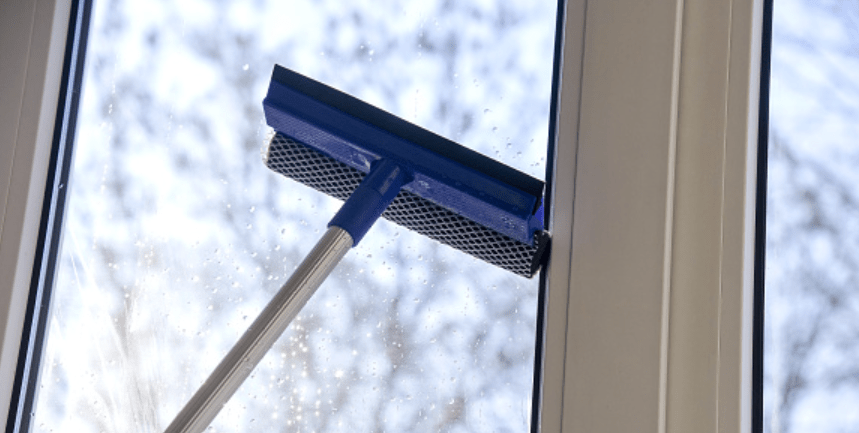
1. Clean Your Windows
If you are dealing with issues concerning condensation on your windows, maintaining their cleanliness is the first line of defense. Using a water repellent solution can also assist and prevent moisture from forming and damage to your windowsills.
2. Ensure Proper Ventilation
You may notice a considerable accumulation of humidity in the office if you don’t have sufficient ventilation, particularly in the bathrooms, especially on hotter days. Installing an exhaust fan in the correct places or merely opening a window can go a long way toward lowering humidity and keeping it from becoming trapped in the workplace, causing severe damage and inconvenience.
3. Utilize Dehumidifiers
Don’t give up if your natural office humidity-reduction options aren’t working. One practical approach to reducing condensation and humidity in the office is to use a dehumidifier. Many types are specifically for use in large offices. Search for ones built explicitly for your office’s size, or install multiple smaller versions in different locations, especially if you know where humidity is a problem.
4. Control the Temperature
It can be enticing to reduce the temperature in the office during hotter days to keep people comfortable. However, using the air conditioner can increase condensation, which can cause issues for everyone in the facility. Alternatively, you can utilize fans to circulate the air and maintain the temperature more manageable.
Insulation can also help in temperature control, and since the walls, ceiling, and floorings already have a level of insulation, you might not worry too much, but there are still ways to improve. During maintenance procedures, your insulation might become compromised. You can remedy this situation by installing an insulated wall access door to preserve indoor heat and manage internal conditions.
5. Check Your Vent’s Location
Directly pointing vents at windows can reduce the value within the window below that of the entire office. It not only wastes energy and raises your power bill without really chilling the office, but it also causes condensation to develop on the windows. Instead, direct your vents away from the window and point them in the center of the room, which will allow more air to circulate freely, making everyone feel comfortable.
6. Check Your Kitchen
In many offices, having a kitchen is a luxury. There are times that the kitchen may add to the humidity in the office: steam from your food, the dishwasher, and even hot water for hand-washing dishes can all contribute to the moisture.
To keep your office more pleasant, ensure that your kitchen has adequate ventilation, using fans and open windows. Try not to use the dishwasher or prepare intricate meals on highly humid days in the kitchen.
7. Effects of High Humidity
When the humidity in your office becomes too high, dust mites and microorganisms can thrive. Mold might start to grow as the air becomes damp. Regrettably, some people (particularly asthmatics) may develop health complications. High humidity might make you feel tired and can affect your focus. For these reasons, preventing high humidity levels in office buildings is crucial.
Additionally, too much humidity can warp some materials like wood. High humidity can be a severe issue in establishments that trade or manufacture wood items and those with wood floors and furnishings. Printing businesses and papermakers are in the same boat. High humidity can also be hazardous to museums, pharmaceutical enterprises, and historical structures.
The Bottomline
Never compromise the safety and health of everyone working in your office space. Ensure that you have a regular maintenance schedule to counter or address any issues that could result from excess humidity. If you need more information about countermeasures that you can enforce in your setting, have an expert work with you and ensure that your decisions are solid.
At Best Access Doors, we excel at providing high-quality products and services to our valued customers. We have categorized items for your shopping convenience and various options to ensure you get what you need. Call us at (800) 483-0823 for your orders and questions.
 Best Access Doors - Blog